Pure & Applied Physics track
Alexander Mendoza's Starfield
AstronomyJourney
Physics senior, astronomy researcher, observatory technician, astrophotographer, and technology builder based in the Rio Grande Valley.
- 04
- Years in astronomy research
- 03
- Years in observatory operations
- 10+
- Years in keeping up with technological innovations and trends

Me
Looking up—and building what comes next.
I'm Alexander Mendoza, a senior at The University of Texas Rio Grande Valley studying Physics and Astronomy, with the long-term goal of earning a Ph.D. in astrophysics.
I often like to think that my journey as an astronomer was propulsed by my parents. During my early childhood my family and I lived in Mexico. I remember being six years old and going to the flea market, there is where I fell in love with your typical child size amaeteur telescopes. I remember begging my parents for it and telling them I didn't care if it was PINK! my child self only cared about the telescope. Although we didn't have much at the time, till this day I am grateful of my parents for buying me the telescope and starting my journey. After all, 17 years later and I can still recall myself using that small pink telescope and looking at the moon. Now, 17 years later, my work spans transient astronomy, compact star systems, python pipelines, and hands-on observatory operations. I'm equally at home analyzing data, maintaining personal and university instruments, understanding computing, or photographing the South Texas sky.

Current work
Studying Photons- from light to data.
These have been my main projects thus far.
Supernova Light Curve (25-26)
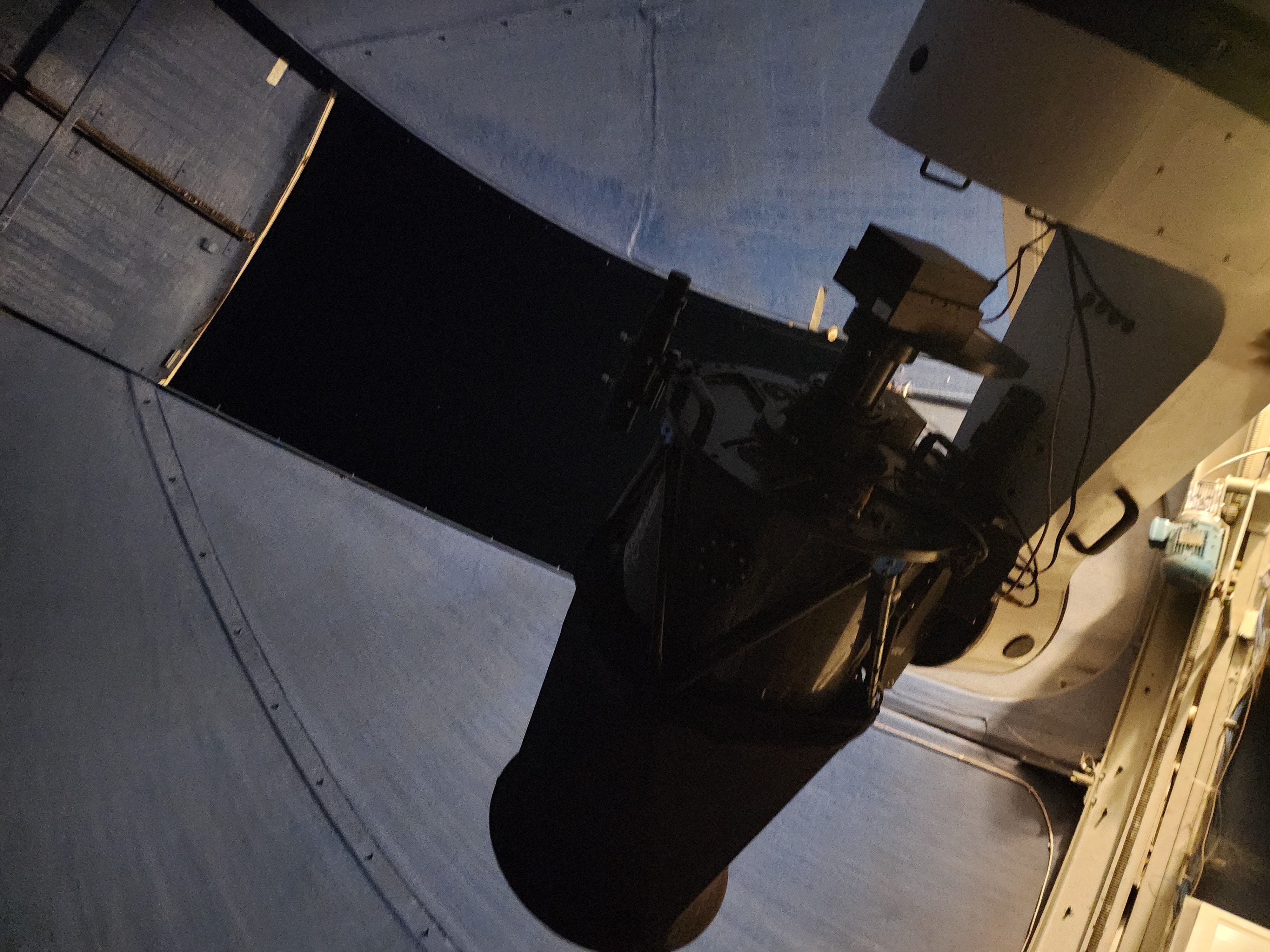
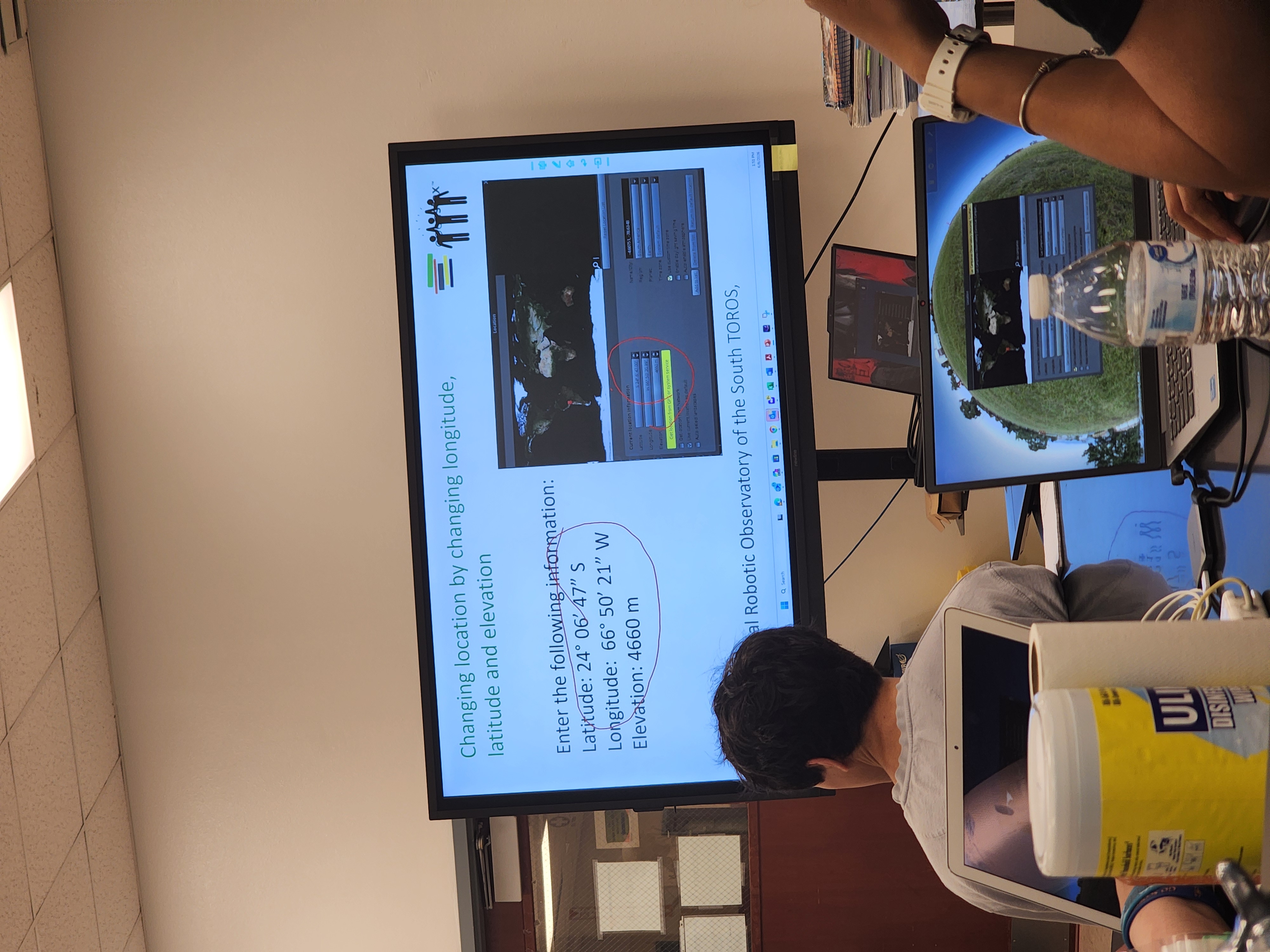
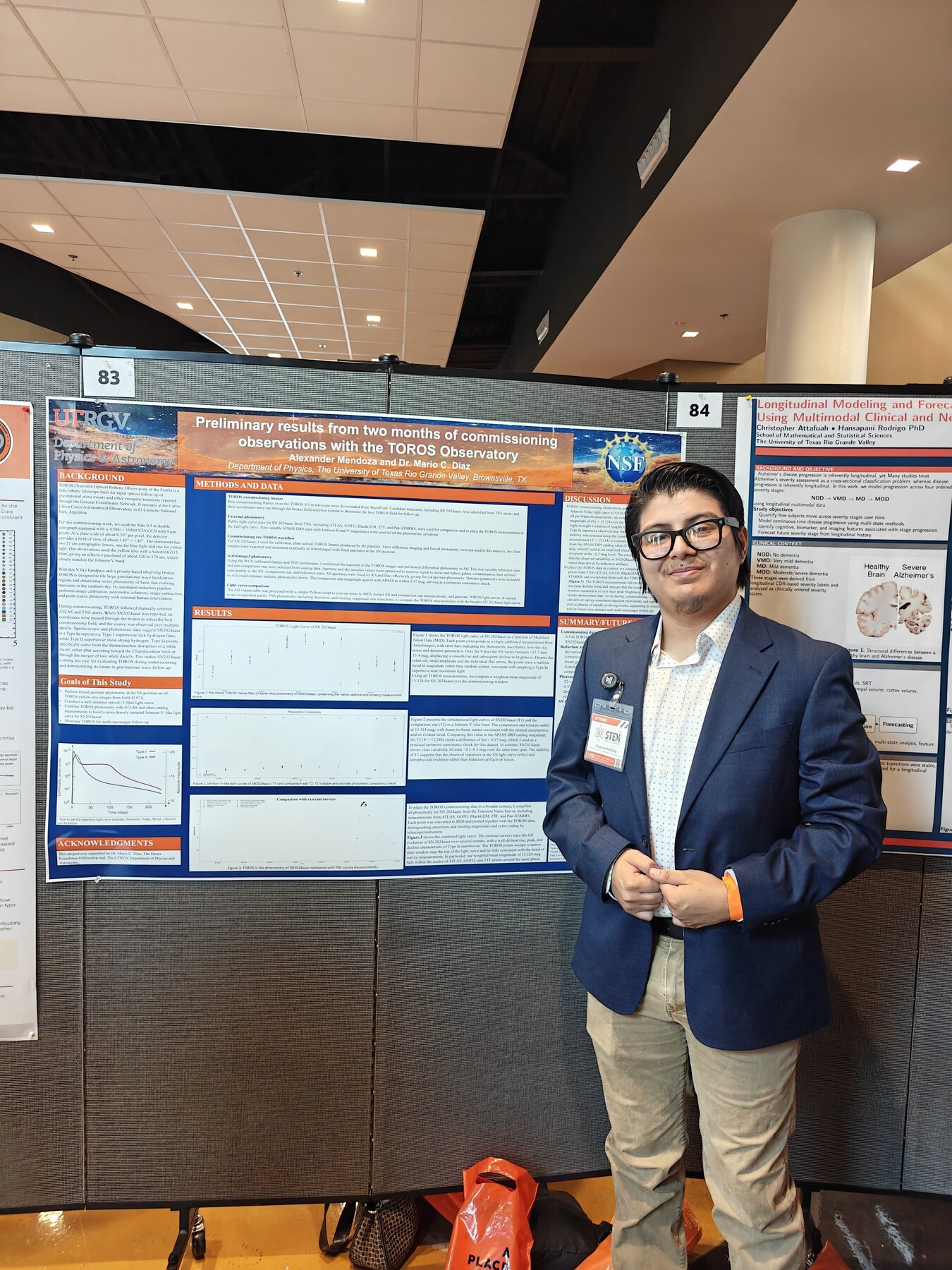
Commissioning observations with the Yale–TOROS 0.5 m telescope, including aperture photometry and analysis of supernova SN 2024aaur.
AM CVn Temperature Estimations (22-25)
Spectral-energy-distribution fitting of AMCVn candidates onto blackbody models that would give a temperature estimate giving an alternative way to measure.
Transient detection with a neural network (25-current)
Developing two-channel image cutouts and a convolutional neural network to distinguish matched sources from new candidates given an observed field and template. It would provide us with an alternative to difference imaging.
Behind the dome
Science depends on teams to keep everything running
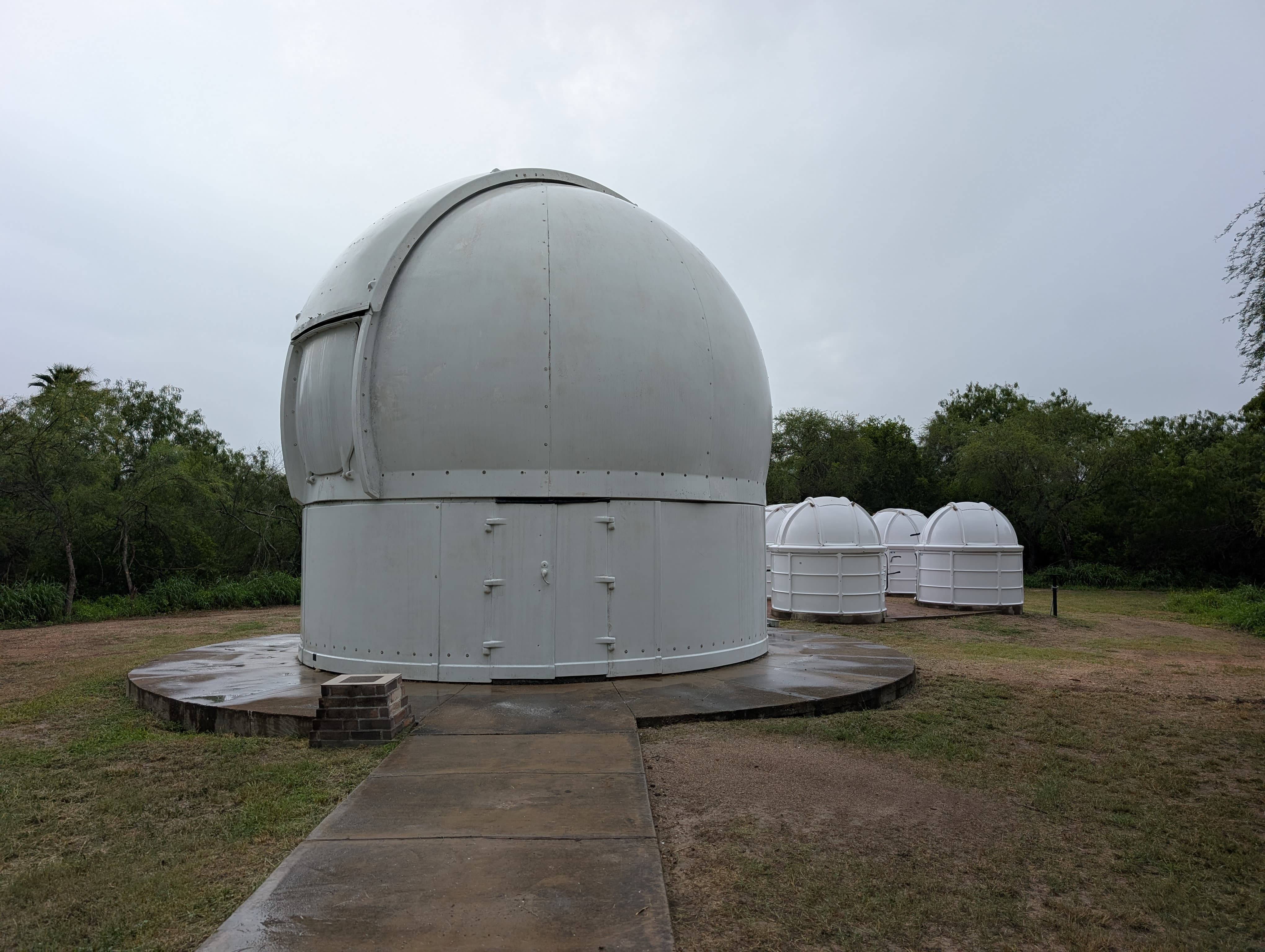
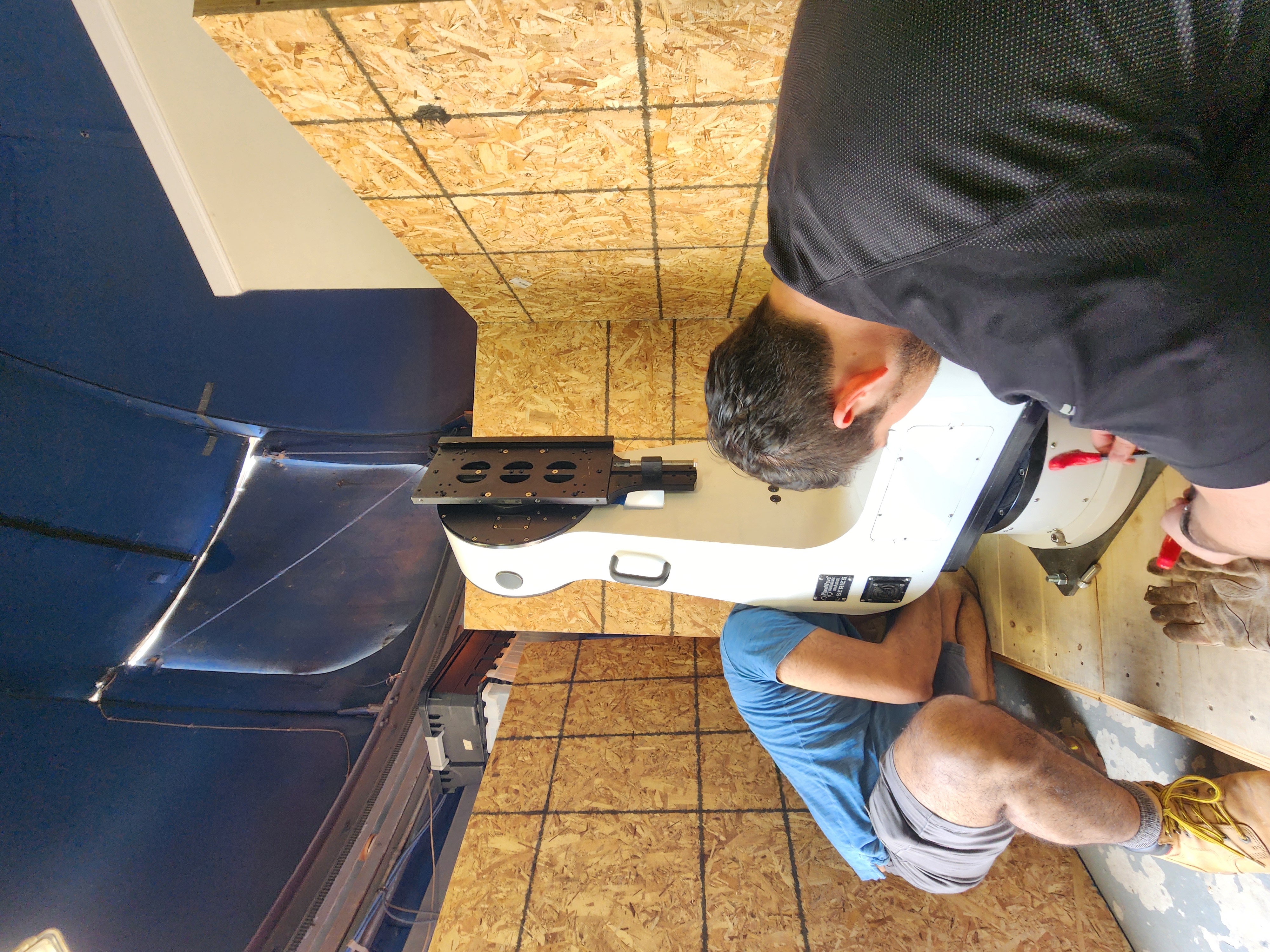
Three years of practical observatory experience: preparing instruments, operating telescope systems, supporting repairs, troubleshooting imaging equipment, and helping students make the most of clear nights.
Observatory work needs precision and improvisation. It can mean checking a mount before sunset, diagnosing a camera, collaborating on a spontaneous repair, or helping others learn the telescope system well enough to observe with confidence.
my astrophotography work
The Universe Under The Rio Grande Valley
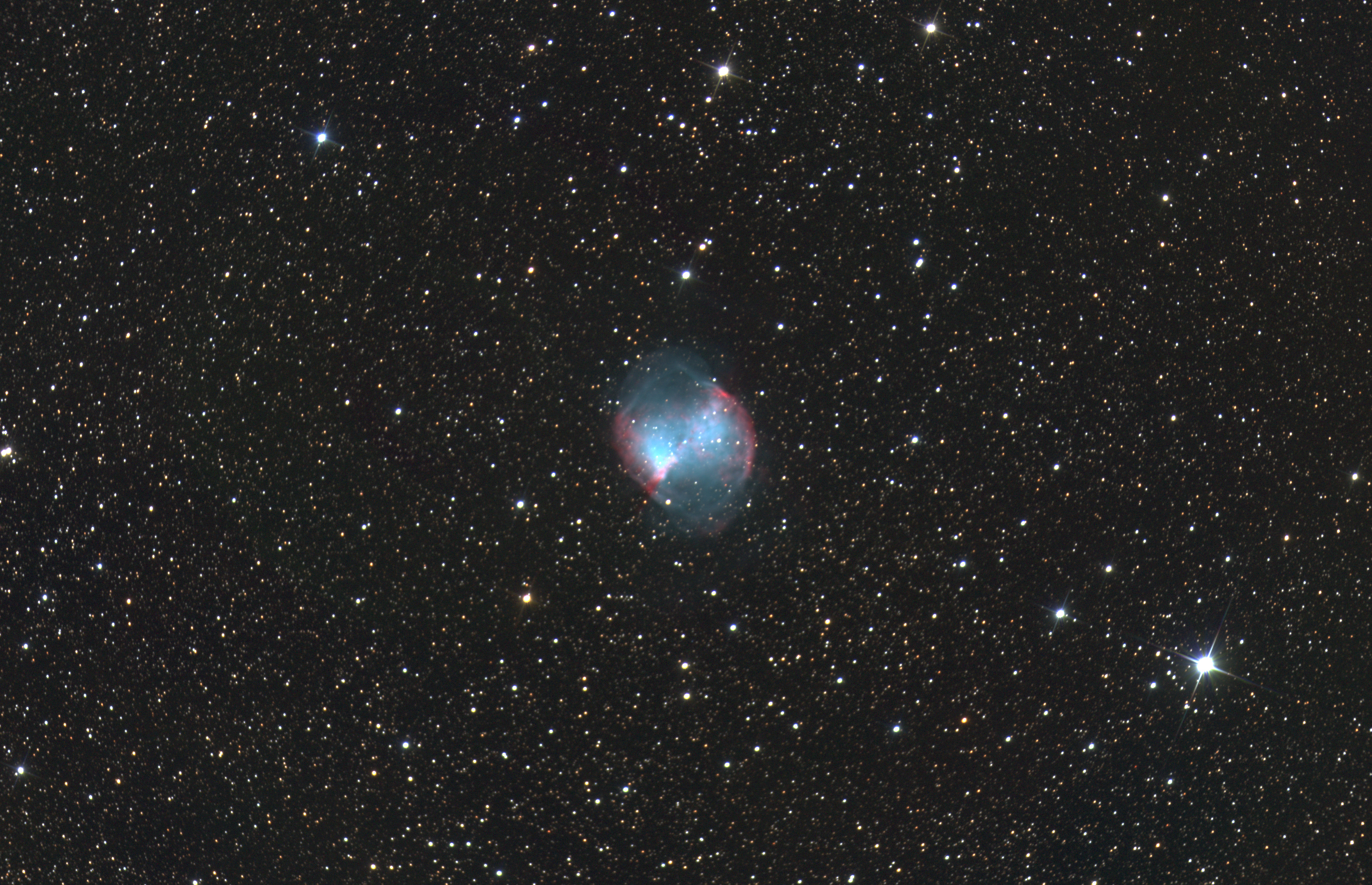
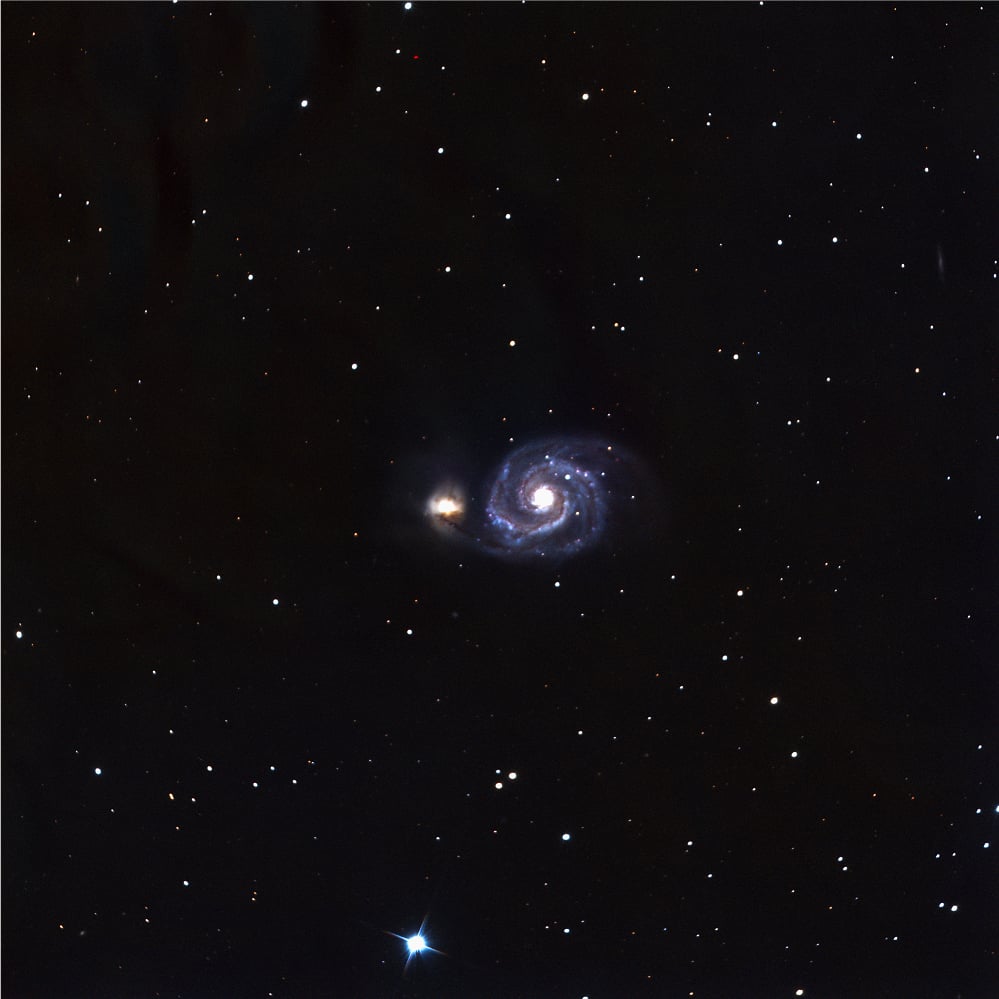
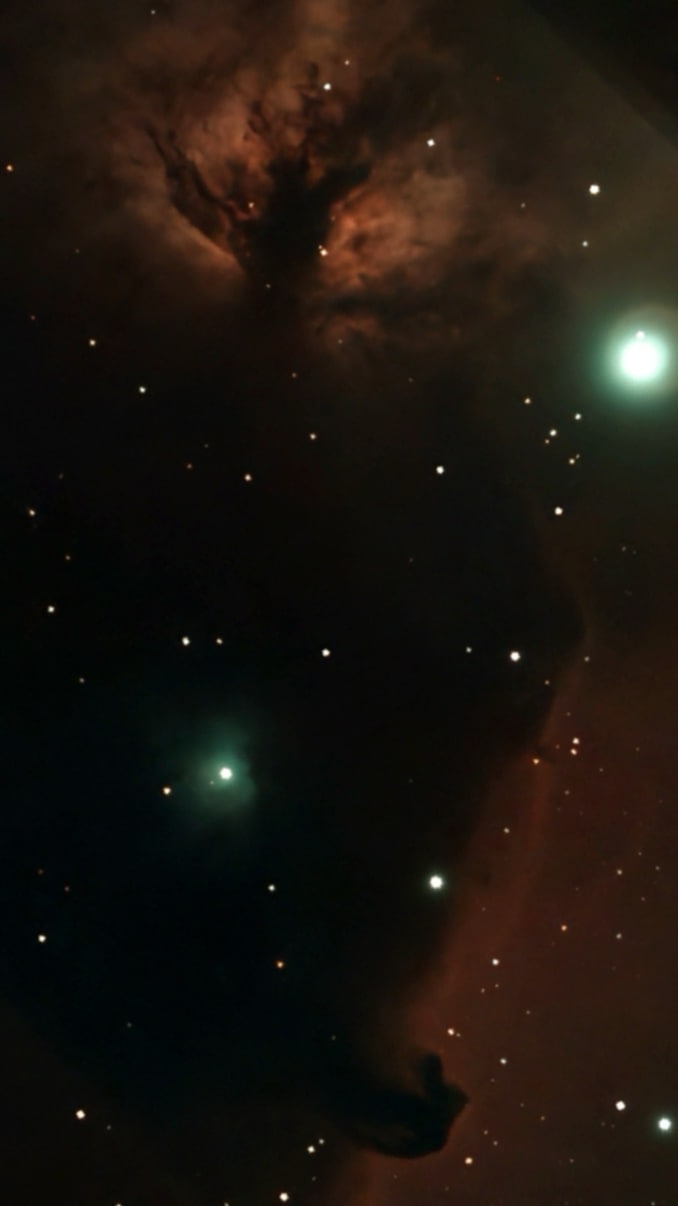
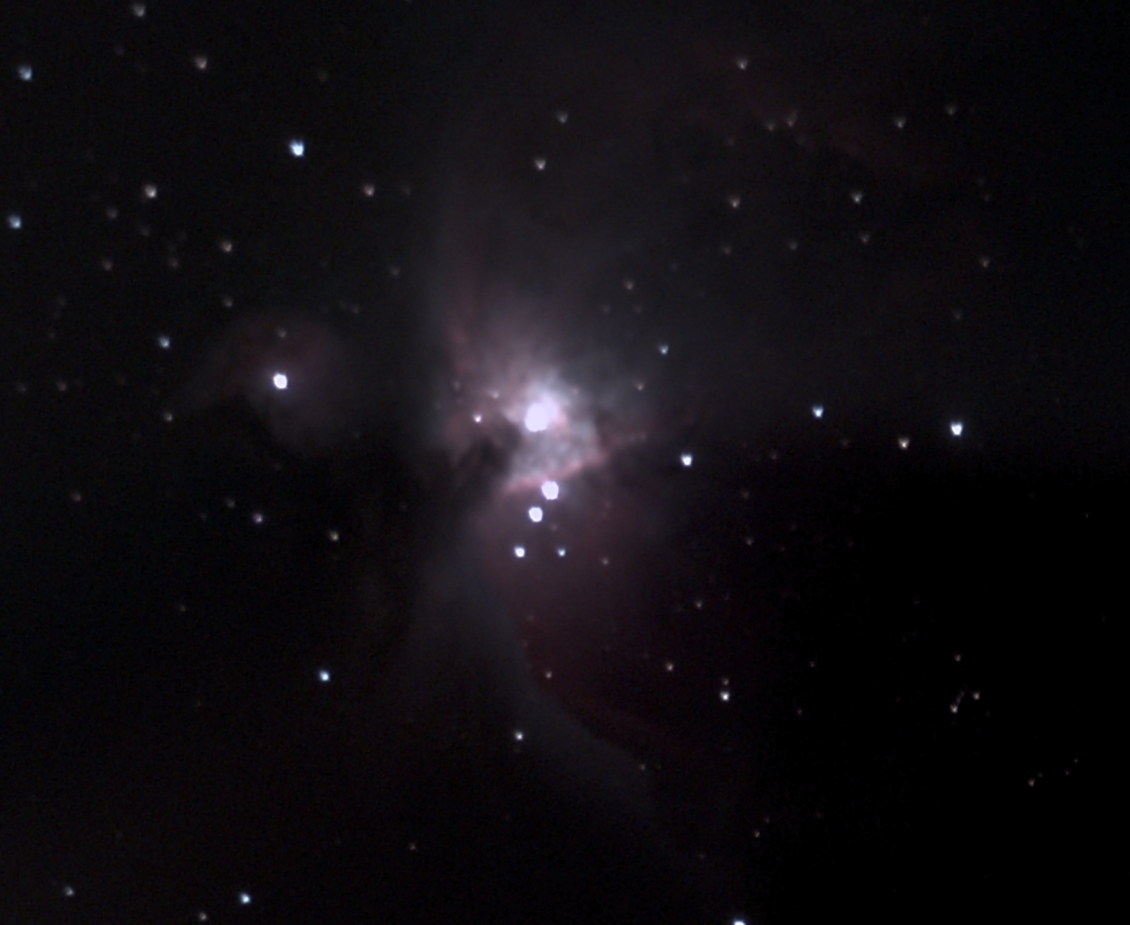
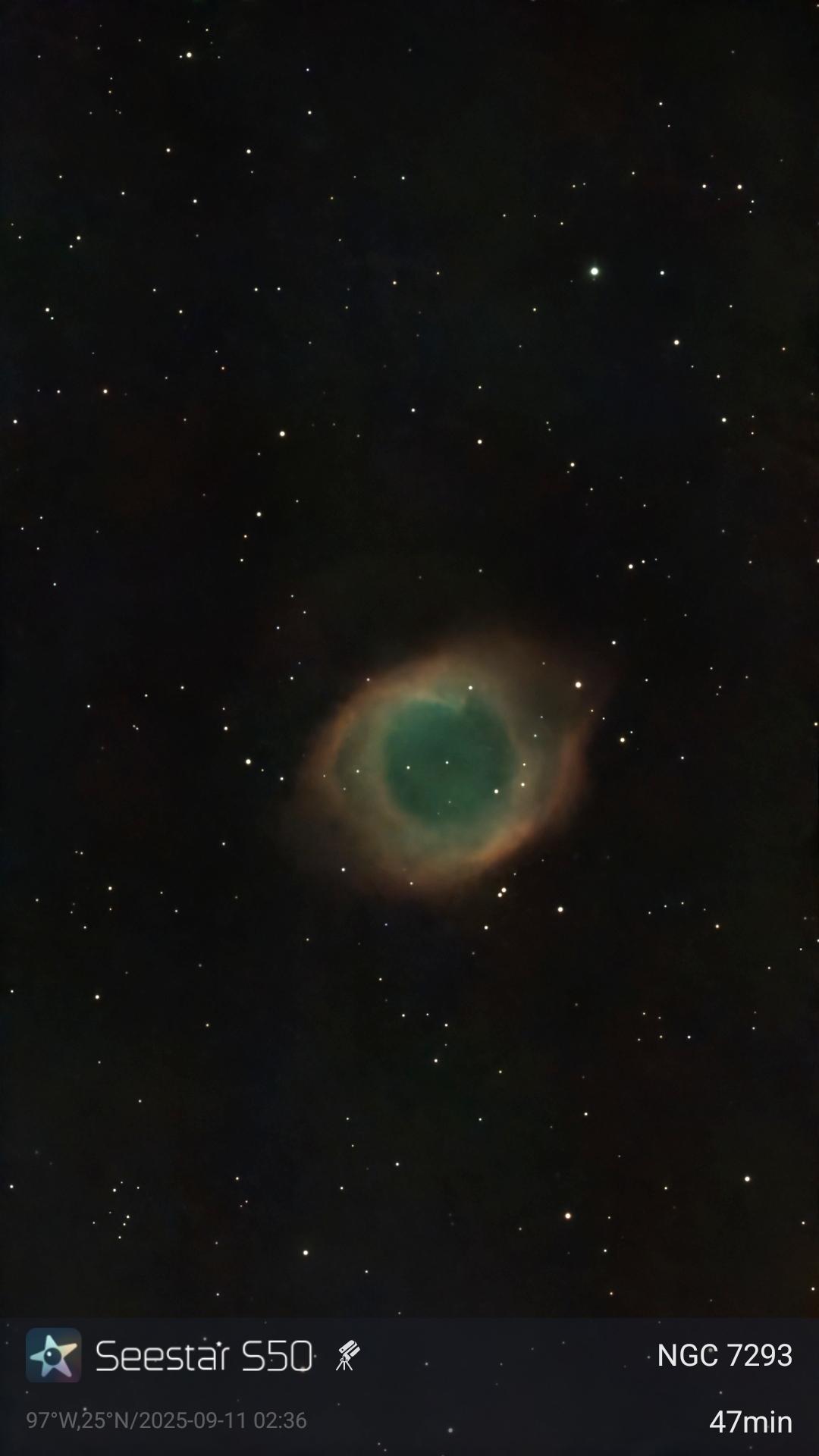
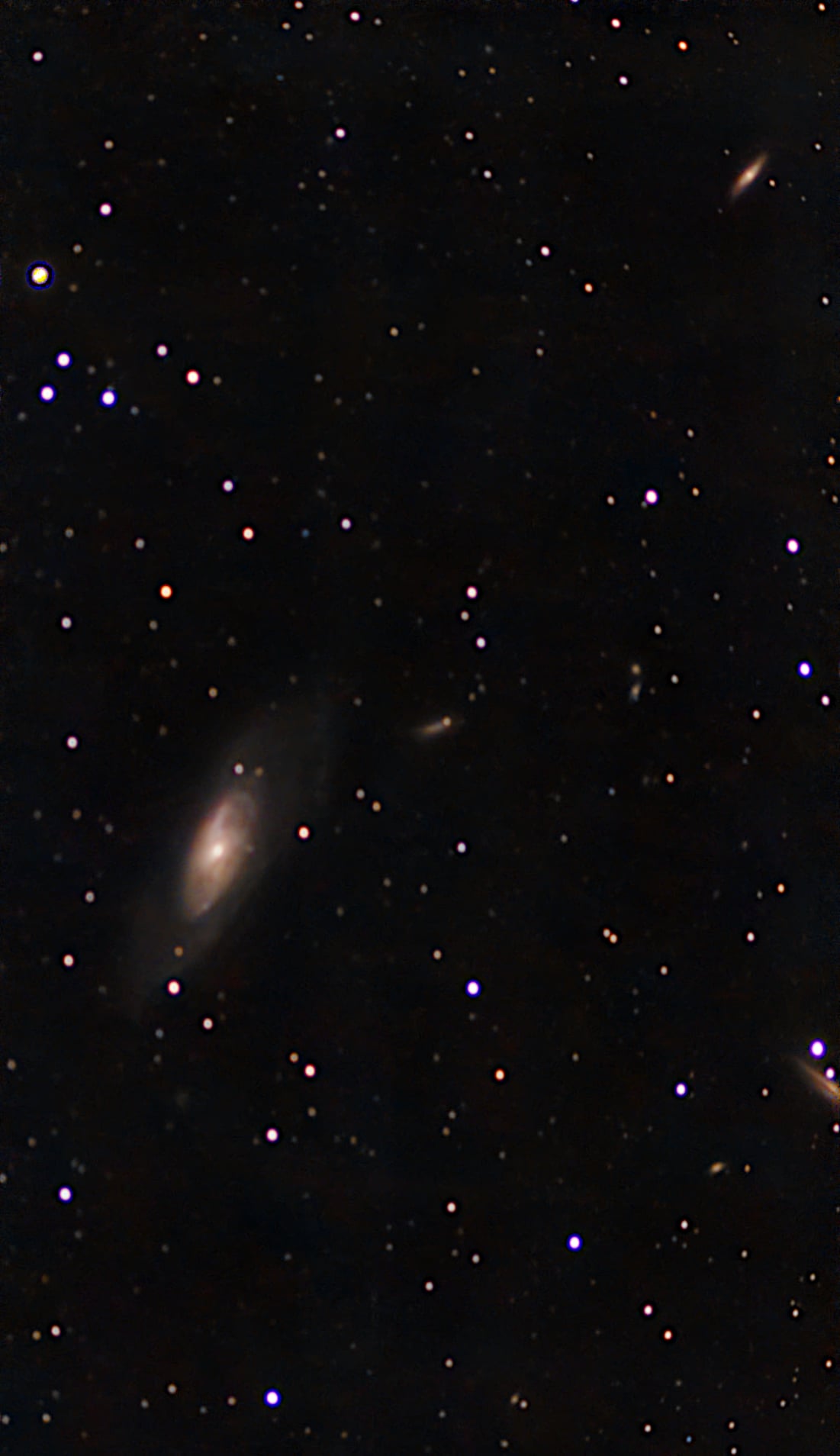
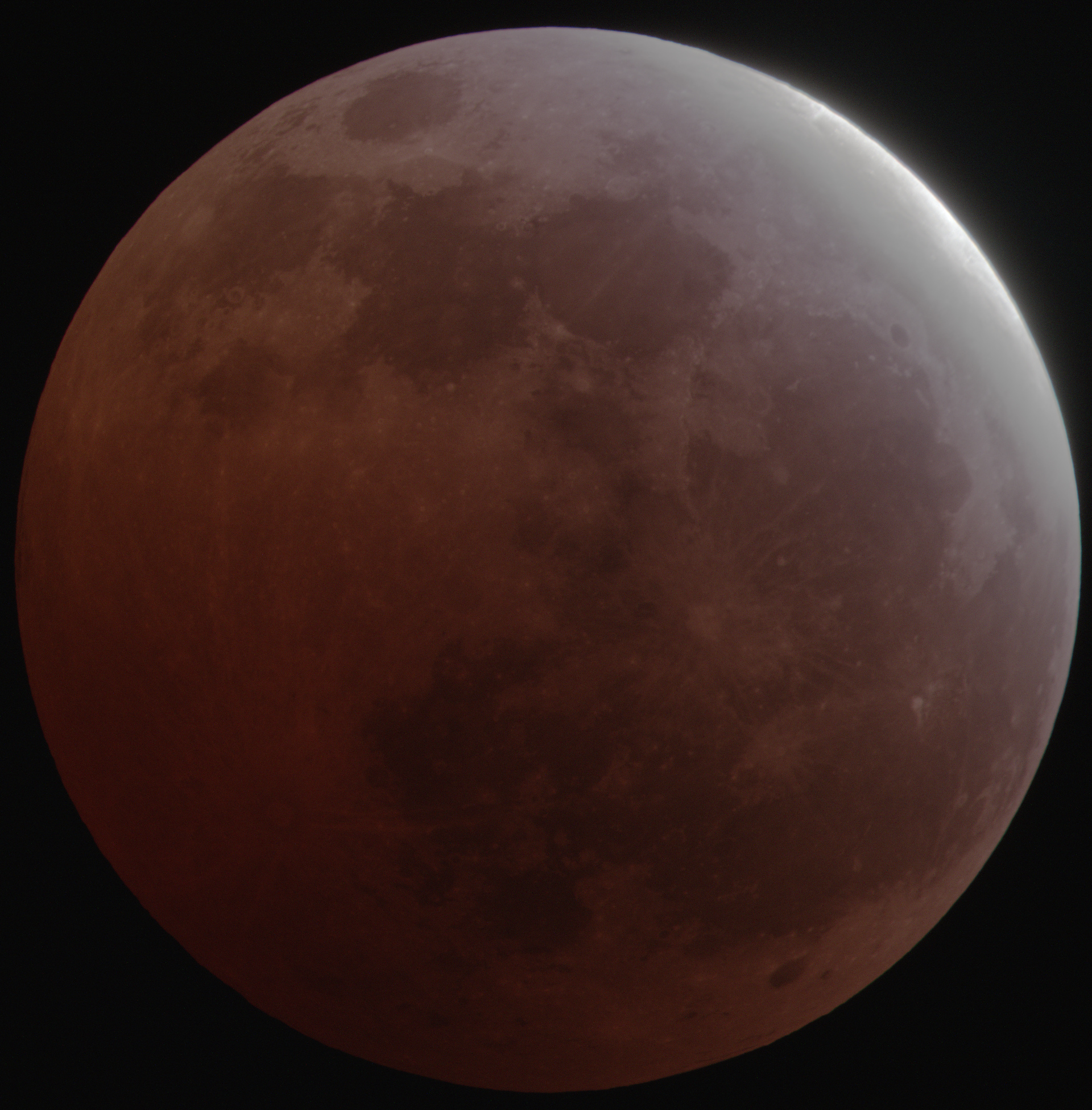
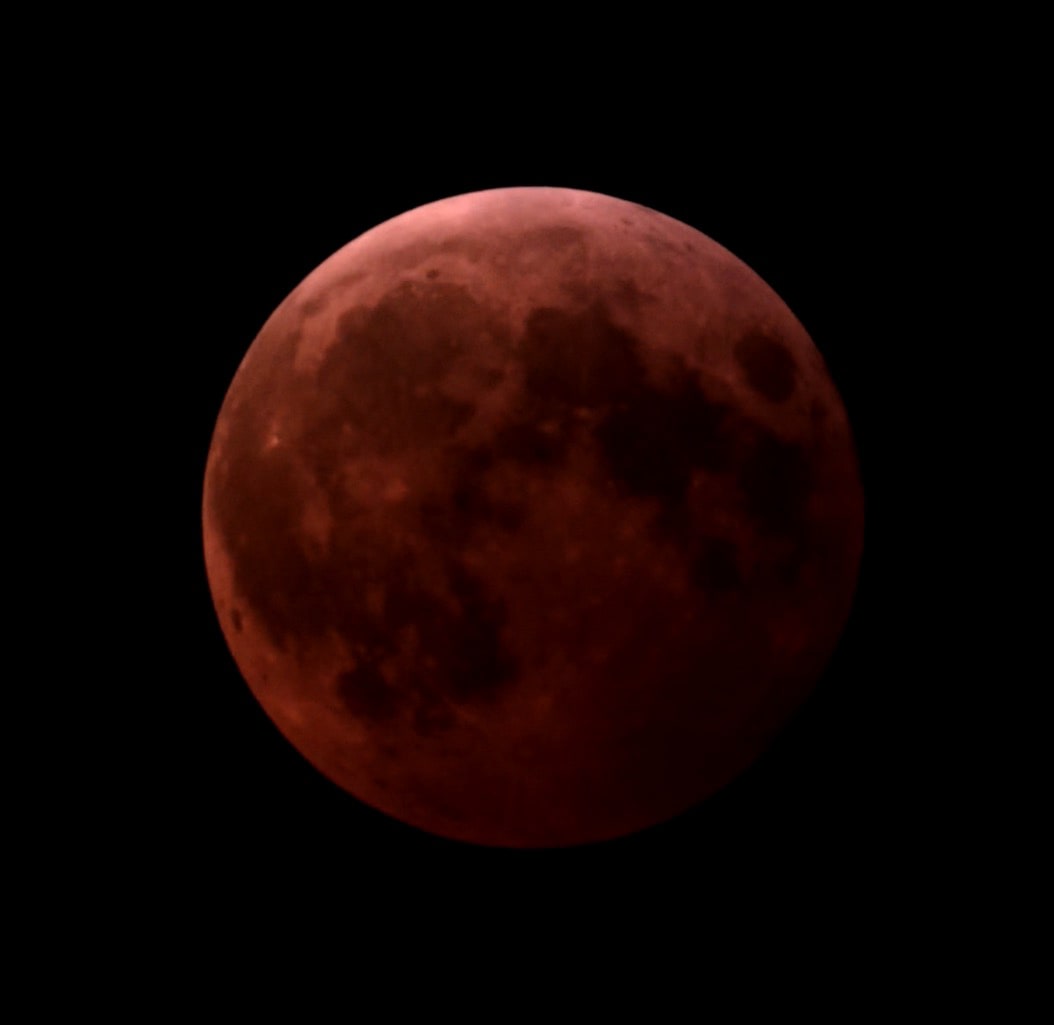
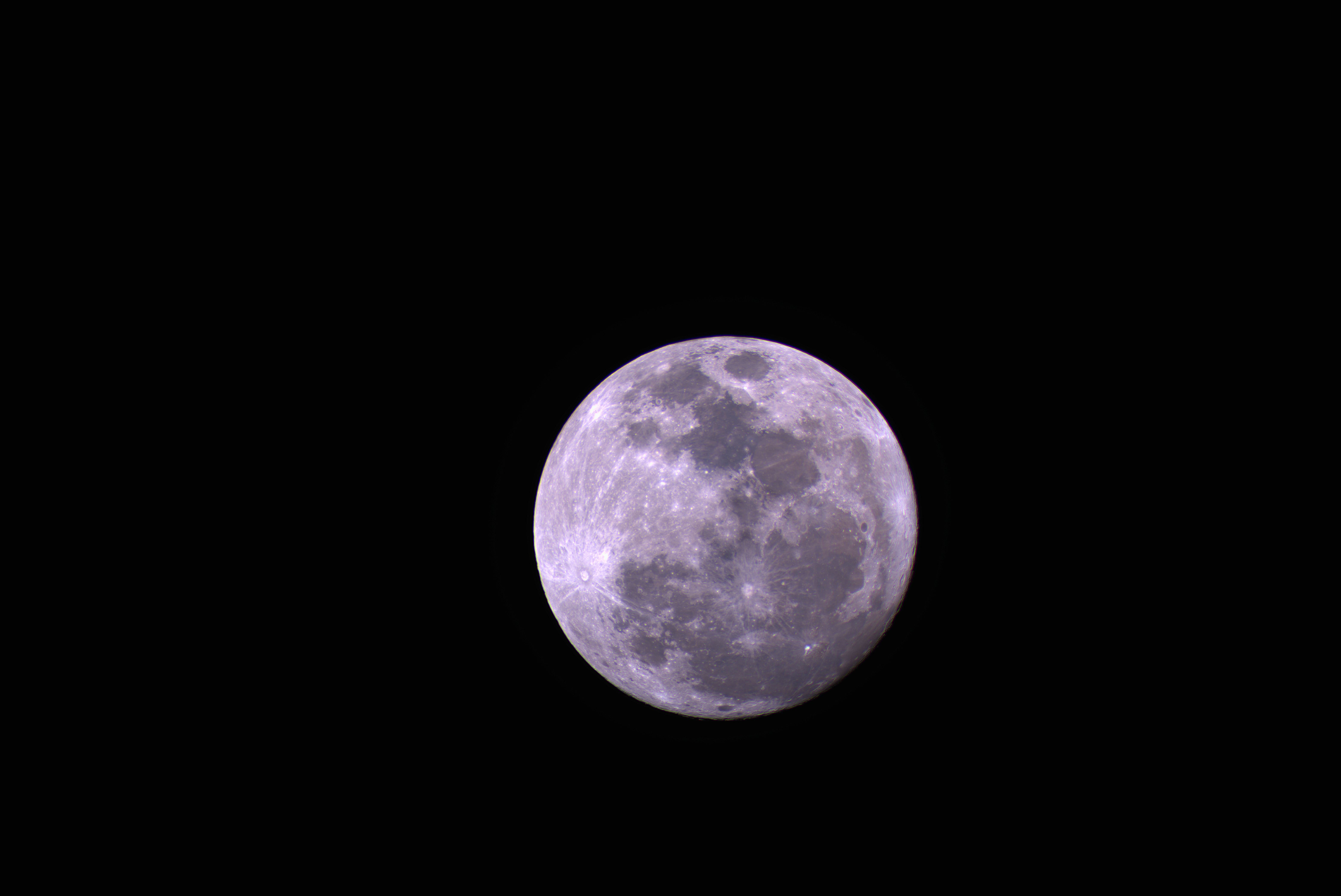
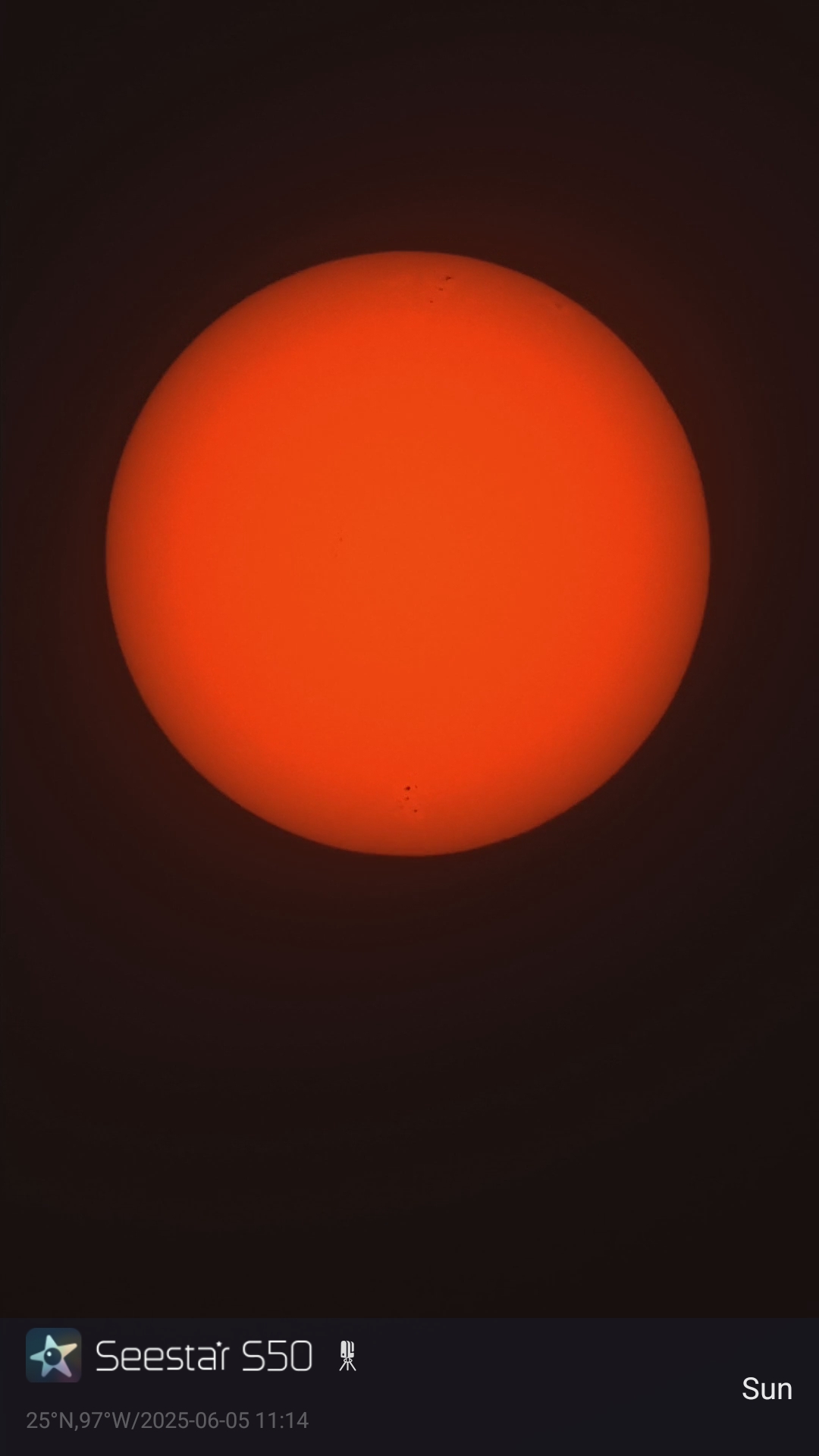
Deep-sky objects, lunar, and solar observations. Select any image to open its full-resolution version.
Beyond physics
In general, I have always loved technology.
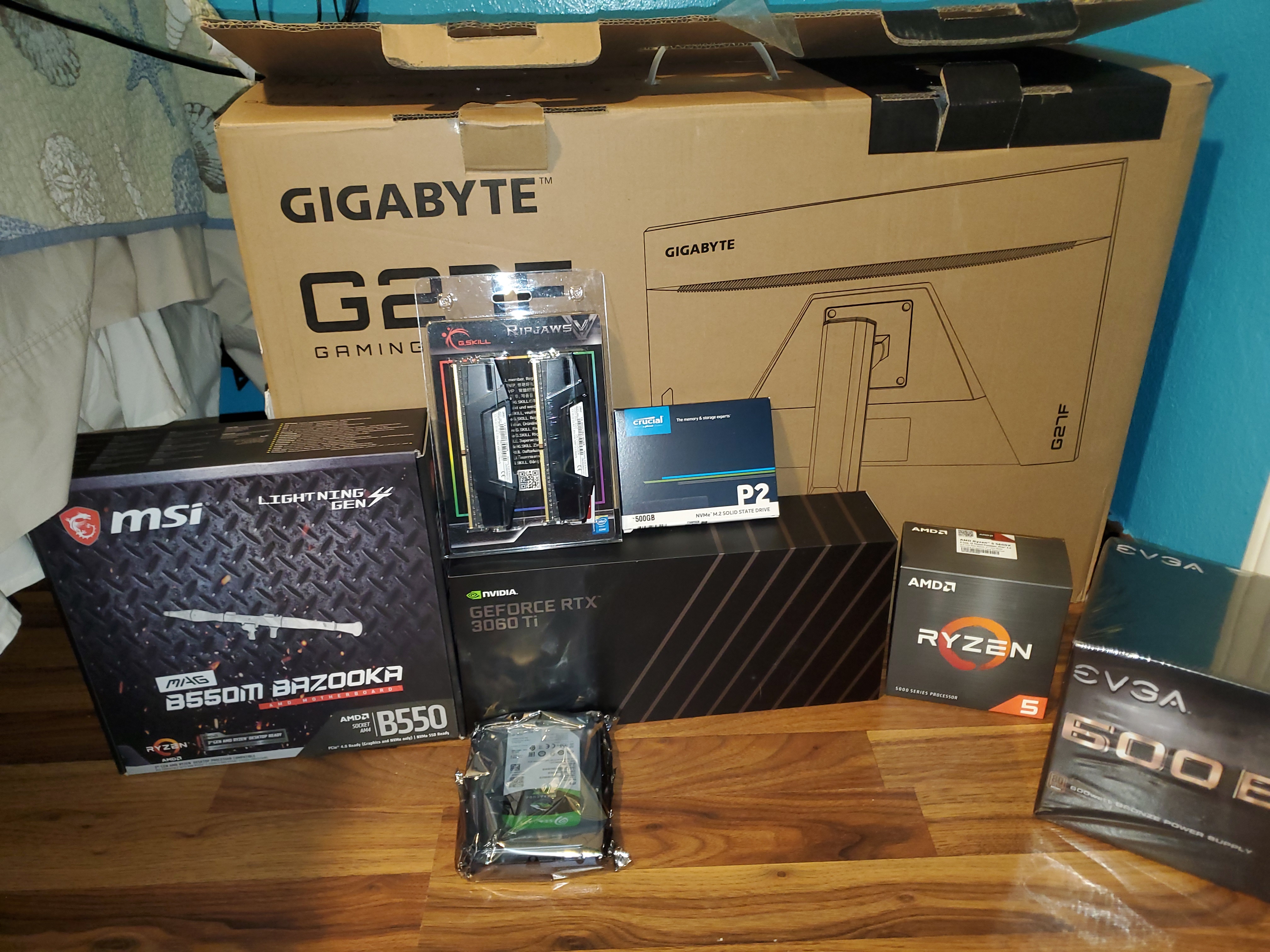
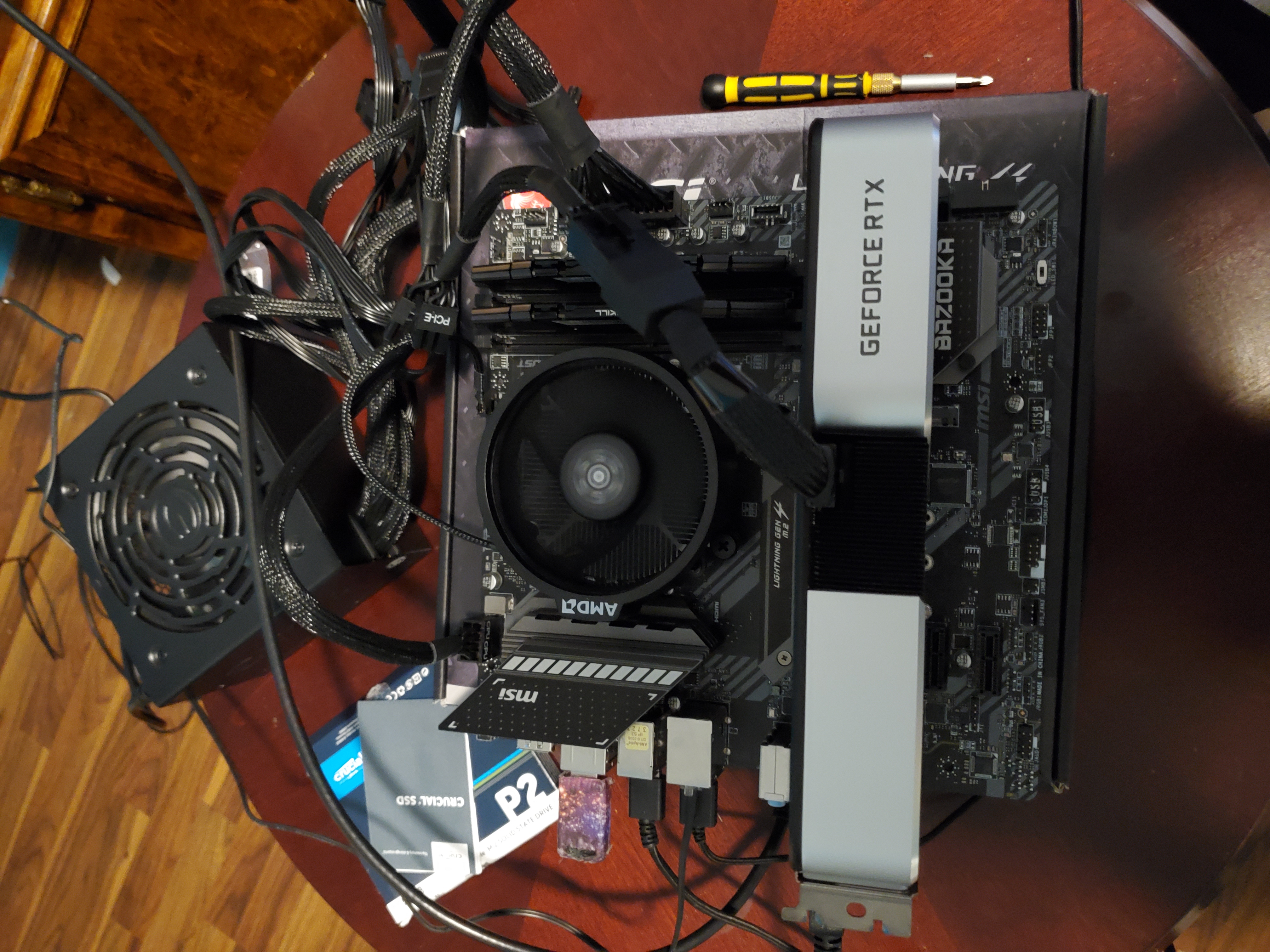
What do I mean with 10+ years of keeping up with technological trends, well. It's no secret that my generation has grown up with technology. Ever since middle school I'd watch videos on the upcoming computers, processors, gaming consoles, and hardware. watching all of these innovations in computation, ray tracing technology finally made be build a computer. I selected the components and built my own computer from the ground up, then bench-tested the system before its final assembly. The same curiosity drives my work with scientific code, imaging hardware, cameras, and telescope control systems. After building and understanding how these components work, they have allowed me to grasp a better understanding on data processing pipelines and code optimization.
Open, Point, Shoot
An observatory without an observatory budget.
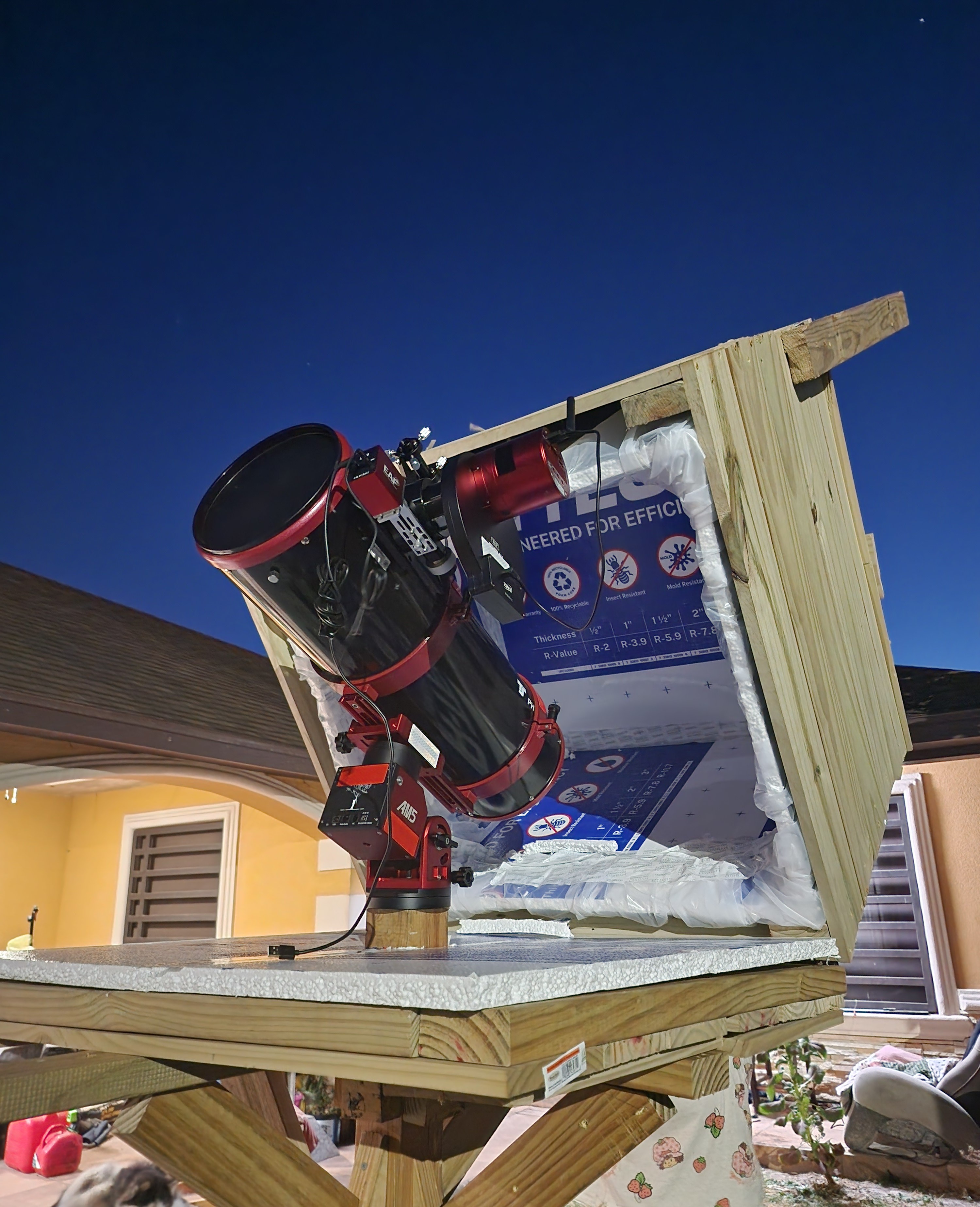
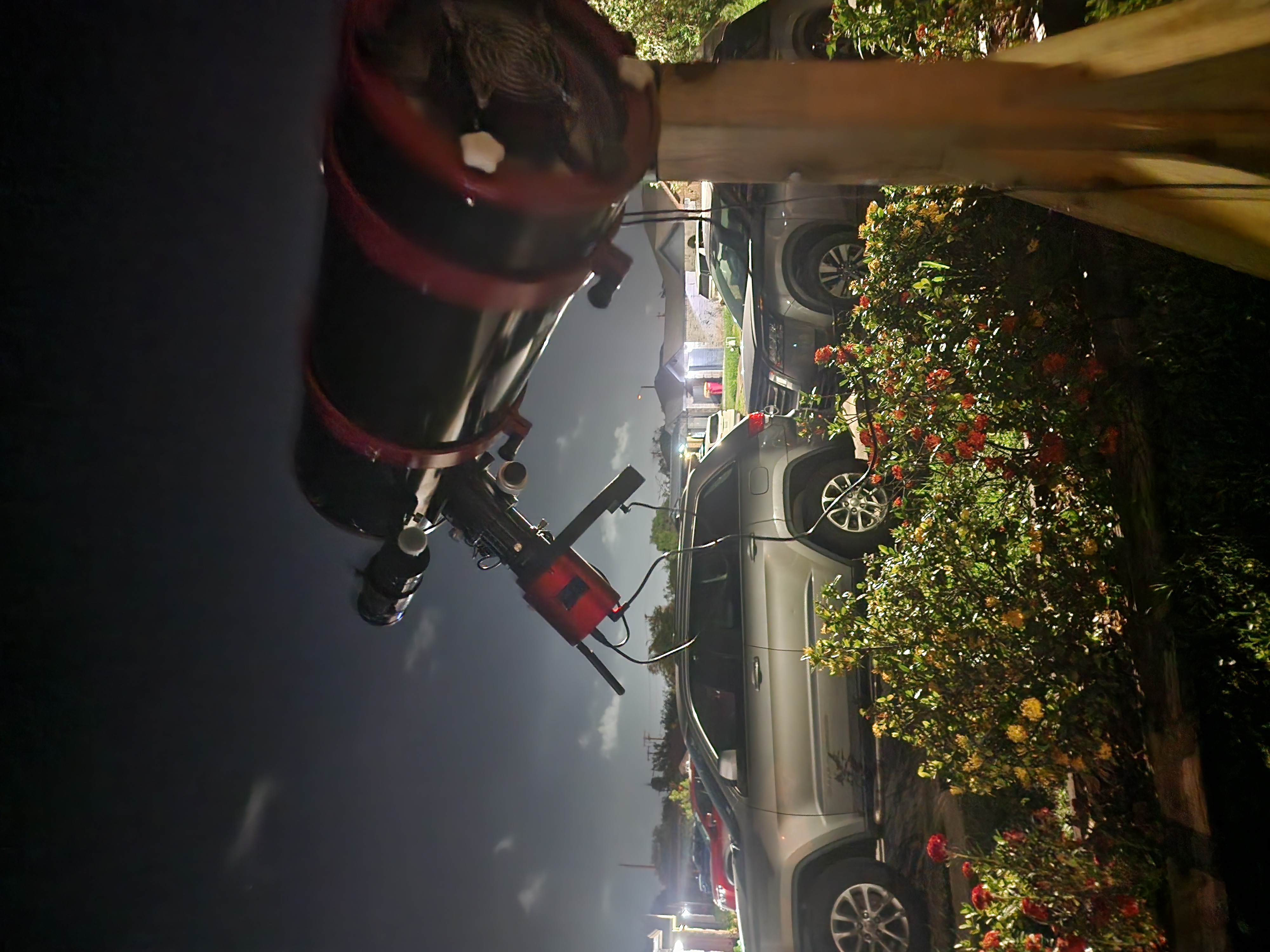
A TS-Optics Photon 8-inch f/4 Newtonian rides on a ZWO AM5N with an electronic focuser, filter wheel, LRGB and narrowband filters, and a ZWO ASI2600MM Air monochrome camera.
Again, it's crazy to think that my journey began with such a small telescope. Now, im building my own little observatory. The enclosure and pier are continuing DIY engineering projects designed for South Texas heat, humidity, and weather. I hope to automate the enclosure in the future as it is a work in progress.
- Optics200 mm · f/4 Newtonian
- MountZWO AM5N
- ImagingASI2600MM Air · LRGBSHO